Source Motorcycle Helmet Intercom for Skiing, Climbing, and Riding
Compare 30 motorcycle helmet intercom units from Guangdong suppliers with varying battery capacities, intercom ranges, and rider connectivity options. Buyers can evaluate models supporting 2 to 6 riders with features like noise cancellation and waterproof designs; compare the available evidence and request quotations based on your requirements.
Key considerations
Products List
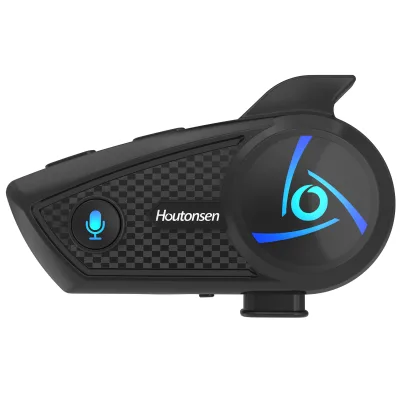
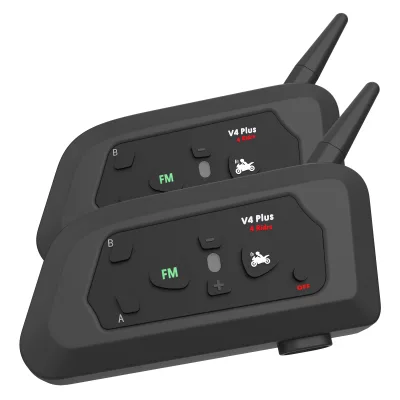
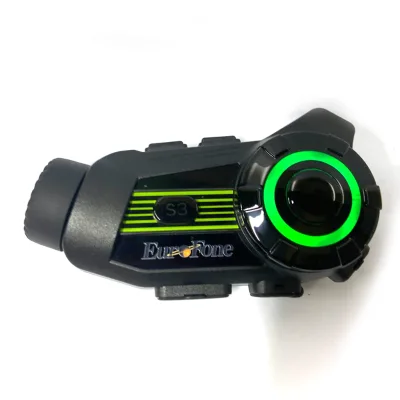
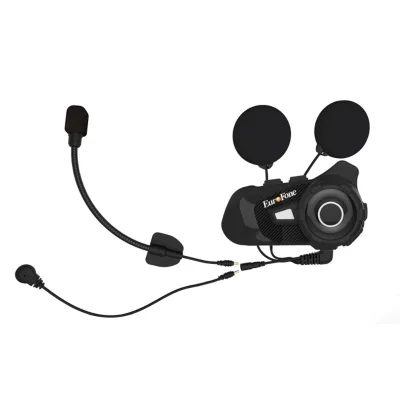
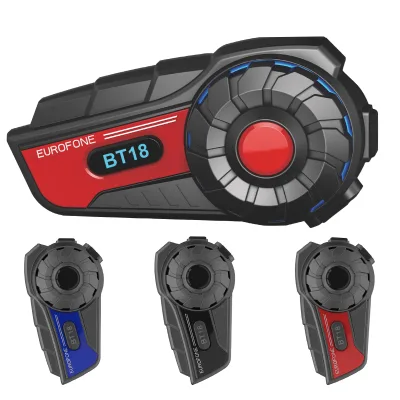
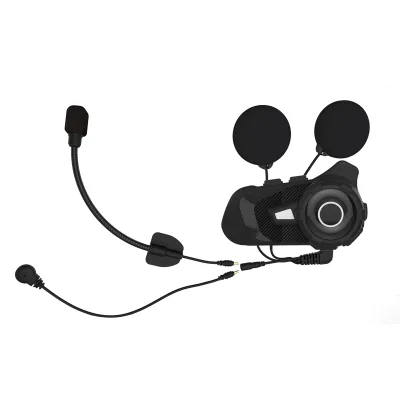
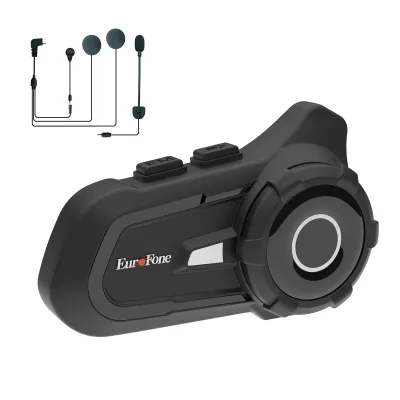


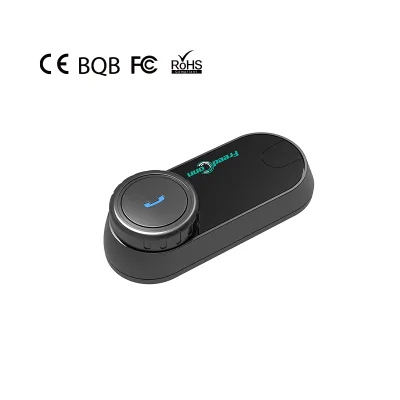


Comprehensive Sourcing Guide
Motorcycle Helmet Intercom Sourcing Guide
Sourcing motorcycle helmet intercoms requires a clear understanding of the diverse functionalities available in the current market. Buyers must distinguish between basic two-rider communication systems and advanced multi-rider networks that support up to six participants. The observed product range includes models like the S3pro and V6plus, which offer varying battery capacities and connectivity features. Understanding these distinctions is critical for aligning procurement with specific operational needs, whether for casual riding or professional motocross activities.
The market also presents options for different helmet types, including full-face helmets with integrated wool inner linings and standalone Bluetooth headsets. Buyers should evaluate whether they need a complete helmet assembly or just the intercom module. This decision impacts compatibility, installation complexity, and overall user comfort. Clarifying the end-use scenario early in the sourcing process helps narrow down the vast array of available models, ensuring that the selected equipment meets both technical requirements and user expectations for durability and performance.
Product Scope and Observed Listing Signals
The current listing signals indicate a wide price range from $3.4 to $119.61, reflecting significant variation in component quality and feature sets. Minimum order quantities (MOQ) typically start at one piece, allowing for small-scale testing, though some suppliers may require two pieces as a standard MOQ. This flexibility supports buyers who wish to sample products before committing to larger volumes. However, the wide price disparity suggests that lower-cost items may lack advanced features such as noise cancellation or extended battery life, which are crucial for professional use.
Observed attributes highlight key differentiators such as waterproof ratings, working times ranging from 18 to 72 hours, and intercom ranges up to 1000 meters. Some models support walkie-talkie connections and FM radio functions, adding versatility for riders. Buyers should carefully review these specifications against their operational requirements. For instance, a longer standby time of up to 30 days is beneficial for infrequent users, while high-capacity batteries are essential for long-distance touring. Verifying these details prevents mismatches between product capabilities and actual usage demands.
Technical Specifications to Verify
Battery capacity is a primary technical specification that directly influences operational reliability. Observed data shows capacities ranging from 800mAh to 2000mAh, with corresponding working times varying significantly. Buyers must verify the actual usable battery life under typical usage conditions, as advertised figures may not reflect real-world performance. Additionally, Bluetooth version 5.1 is noted in some models, offering improved connectivity and stability. Ensuring compatibility with various devices and helmets is essential for seamless integration and user satisfaction.
Communication range and connectivity protocols are equally critical. Models like the S3-1080P support ranges of 800-1000 meters, suitable for group rides. Buyers should confirm the supported audio profiles, such as HSP, HFP, A2DP, and AVRCP, to ensure high-quality audio transmission. The ability to connect multiple riders simultaneously, up to six in some cases, enhances group coordination. Verifying these technical parameters helps avoid connectivity issues and ensures that the intercom system performs reliably in diverse riding environments.
Compliance and Safety Documentation
Certification is a vital aspect of procurement, ensuring that products meet regional safety and electromagnetic compatibility standards. Observed certifications include CE, ROHS, FCC, BQB, CCC, and ISO9001. Buyers must verify that the specific models they intend to purchase hold the necessary certifications for their target markets. For instance, CE marking is essential for European sales, while FCC compliance is required for the United States. Lack of proper certification can lead to customs delays, legal liabilities, and potential safety hazards.
Safety documentation also extends to the physical construction of the intercom and helmet. Materials such as ABS plastic and wool inner linings contribute to durability and comfort. Buyers should request material safety data sheets and construction quality reports to ensure that components are non-toxic and robust. Additionally, warranty terms, often listed as one year or 12 months, provide a safety net against manufacturing defects. Understanding the scope of warranty coverage helps buyers assess long-term risk and plan for potential maintenance or replacement costs.
Cost Drivers and Commercial Terms
Several factors influence the final cost of motorcycle helmet intercoms, including battery capacity, feature complexity, and certification requirements. Models with higher battery capacities and advanced noise cancellation technology typically command higher prices. Buyers should analyze the cost-per-feature ratio to determine the best value for their specific needs. Additionally, the inclusion of accessories such as mounting kits or additional microphones can affect the overall price. Understanding these cost drivers enables buyers to negotiate more effectively and allocate budgets efficiently.
Commercial terms, including MOQ and payment conditions, also play a significant role in procurement strategy. While some suppliers offer low MOQs for sampling, bulk orders may require higher quantities to achieve favorable pricing. Buyers should clarify lead times and shipping terms to avoid delays in project timelines. Furthermore, understanding the return policy and defect handling procedures is crucial for managing risk. Establishing clear commercial terms early in the negotiation process helps prevent misunderstandings and ensures a smooth transaction process.
Supplier Qualification and Quality Control
Supplier qualification is essential for ensuring consistent product quality and reliable service. Buyers should verify the supplier’s manufacturing capabilities, quality control processes, and after-sales support. Suppliers located in Guangdong, China, are common in this sector, but buyers must assess their reputation and track record. Requesting samples and conducting independent testing can help verify product performance and durability. Additionally, checking for ISO9001 certification indicates a commitment to standardized quality management practices.
Quality control measures should include rigorous testing of battery life, connectivity stability, and waterproof ratings. Buyers should inquire about the supplier’s testing protocols and defect rates. Establishing clear quality acceptance criteria in the purchase agreement helps ensure that delivered products meet specified standards. Furthermore, building a strong relationship with the supplier can facilitate better communication and faster resolution of any issues that arise. Regular audits and feedback loops contribute to continuous improvement and long-term partnership success.
Long-Term Procurement Checks
Long-term procurement success depends on continuous monitoring of product performance and market trends. Buyers should track user feedback and warranty claims to identify potential quality issues early. Regularly reviewing supplier performance metrics, such as on-time delivery and defect rates, helps maintain high standards. Additionally, staying informed about technological advancements in Bluetooth intercoms allows buyers to upgrade their offerings proactively. This proactive approach ensures that the procurement strategy remains aligned with evolving customer needs and market expectations.
Sustainability and regulatory changes also impact long-term procurement decisions. Buyers should monitor updates to certification requirements and environmental regulations to ensure ongoing compliance. Evaluating the lifecycle cost of products, including maintenance and replacement, provides a more comprehensive view of total ownership cost. By integrating these long-term checks into their procurement process, buyers can mitigate risks, optimize costs, and build a resilient supply chain that supports sustained business growth.
FAQs
How many riders can connect with the S3pro intercom?
The S3pro model supports a network of up to 6 riders connecting simultaneously. This configuration allows for group communication during rides. Additionally, it enables 2 riders to talk at the same time within the group. This feature ensures clear communication for larger motorcycle groups without signal interference or connection drops during travel.
What is the battery capacity and working time for the S3pro?
The S3pro intercom features a battery capacity of 850mAh. It provides approximately 30 hours of working time on a full charge. This duration supports extended usage for long-distance motorcycle trips. The efficient power management ensures reliable performance throughout the day without frequent recharging needs for standard riding activities.
Which certifications do the motorcycle helmet intercoms hold?
The intercoms hold CE, ROHS, FCC, and BQB certifications. These standards ensure compliance with international safety and electromagnetic compatibility regulations. Some models also carry CCC and ISO9001 certifications. These credentials verify product quality and safety for global markets, providing buyers with confidence in the regulatory compliance of the sourced electronic devices.
Can the intercoms be used for activities other than motorcycling?
Yes, the intercoms are designed for multiple outdoor activities. Their usage includes skiing, motorcycle riding, and mountain climbing. The devices are built to withstand various environmental conditions. This versatility makes them suitable for different adventure sports where hands-free communication and audio connectivity are essential for safety and coordination.
What is the intercom range for the S3-1080P model?
The S3-1080P model offers an intercom range of 800 to 1000 meters. This distance allows for effective communication between riders over long gaps. The range is suitable for highway riding and open terrain. Buyers should note that actual range may vary based on environmental factors and interference, but this specification provides a reliable baseline for group coordination.
How long is the warranty period for the intercom products?
The warranty period is typically 1 year or 12 months. This coverage applies to manufacturing defects and functional issues. Buyers receive support for repairs or replacements within this timeframe. The warranty ensures product reliability and provides peace of mind for commercial buyers sourcing these electronic accessories for resale or distribution in various markets.